

Michael Schaub
Michael Schaub is a writer, book critic and regular contributor to NPR Books. His work has appeared in The Washington Post, The San Francisco Chronicle, The Portland Mercury and The Austin Chronicle, among other publications. He lives in Austin, Texas.
-
 Hanif Abdurraqib's latest book is about hoops, sure, but it's also about so much more. It's another remarkable book from one of the country's smartest cultural critics.
 -
 Marie Mutsuki Mockett's latest novel about a wife and mother is wise and sensitive, and a stunning reflection on how we reinvent ourselves when we're left with no other choice.
 -
 Mariah Stovall manages to convey the essence of punk and emo through the prose itself; this is an excellent novel, compassionate and filled with a sparkling intelligence about the human condition.
 -
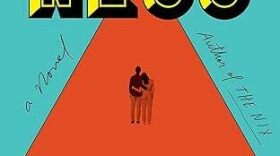 Nathan Hill's stunning new novel about the stories we tell about our lives and our loves, and how we sustain relationships throughout time, is both funny and heartbreaking, sometimes on the same page.
 -
 Daughter is an intensely psychological novel, one that poses questions it doesn't, and maybe can't, answer. There are flashes of Claudia Dey's usually excellent writing, but not consistently enough.
 -
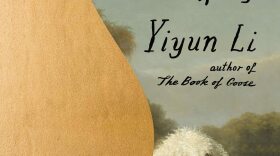 The stories in Yiyun Li's book focus chiefly on people trying to put themselves together after loss, dealing with anguish that takes its time and rises from its dormancy at unexpected moments.
 -
 This is a wonderful novel that expertly combines adventure and terror, sprinkled with The Changeling author's mordant wit and assured prose. It is a horror novel, but it's also a refreshing western.
 -
 Tyriek White's debut novel is a triumph; it's a gorgeous book about loss and survival that gives and gives as it asks us what it means to be part of a family, of a community.
 -
 Jess Row's new novel is about an American family that has imploded, one that's broken, possibly irretrievably. It's a stunning book, a high-wire balancing act that tries to do a lot — and succeeds.
 -
 Singer and guitarist Susanna Hoffs rose to fame with the Bangles in the 1980s. With her new book, she proves her immense writing talent isn't just confined to songs.


